

Quick Summary
For businesses with more than a handful of staff, corporate headshots aren’t a one-off job — they’re an ongoing brand asset that needs to be managed properly. A repeatable, consistent approach across multiple visits is the only way to maintain a cohesive professional look as teams grow and change. With 34 years of commercial photography experience across Somerset, I work with businesses to get this right from the start.
A single LinkedIn profile photo might seem like a small thing. But multiply it across a team of thirty, fifty or a hundred people — photographed at different times, by different photographers, in different locations with different lighting — and what you end up with is a visual mess that quietly undermines the professional brand you’re trying to build.
This is one of the most common and most avoidable problems in corporate photography, and it’s almost always the result of not thinking about headshots as a system rather than a series of individual jobs.
Why LinkedIn Makes This More Important Than Ever
Before LinkedIn, a company’s team page might get a handful of visits from prospective clients or recruits doing due diligence. Now, individual employees are discoverable and visible in ways that simply didn’t exist fifteen years ago.
A prospective client will look at your LinkedIn company page. They’ll click through to the profiles of the people they’re likely to deal with. A recruit will do the same. An investor, a partner, a journalist — all of them are forming an impression of your business based partly on how your people present themselves visually online.
When those images are inconsistent — some professional, some clearly taken on a phone, some years out of date, some with wildly different backgrounds, crops and lighting — it signals a lack of attention to detail that extends, in the viewer’s mind, to everything else about how you run your business.
When they’re consistent — same quality, same feel, same professional standard — they communicate something quite different: that this is an organisation that takes its brand seriously.

The Multi-Visit Challenge
Here’s the practical reality for any business with a significant headcount: you will never get everyone in the same room on the same day.
There’s always someone on leave. Someone working remotely. Someone who joined last month. Someone who’s due to join next month. A senior person who genuinely can’t make the scheduled day and needs a separate slot.
For smaller businesses — say up to fifteen or twenty people — a single well-planned session usually works. For anything larger, you’re almost certainly looking at multiple visits, and that’s where the consistency challenge becomes critical.
If visit two happens six months after visit one and something has changed — the lighting setup, the background, the crop ratio, the post-processing approach — the images from the two sessions won’t match. Put them on the same team page and it shows immediately.
What a Repeatable Approach Actually Means
Solving this isn’t complicated, but it does require forethought.
Technical consistency: The same lighting setup, the same lens, the same shooting distance, the same background — documented and replicable across every visit, whether that’s two weeks or two years apart.
Processing consistency: The same retouching approach, the same colour treatment, the same file output specifications. An image from session one and an image from session four should be indistinguishable in style.
Briefing consistency: Every participant gets the same guidance on what to wear, how to prepare, what to expect. This is particularly important for businesses with staff across multiple locations or departments — the person in the Bristol office needs to arrive as prepared as the person in the Taunton head office.
Crop and format consistency: The same aspect ratio, the same head-to-frame proportion, the same amount of headroom. These details matter enormously when images sit side by side on a team page or a company LinkedIn profile.
Getting all of this right on the first visit and then replicating it reliably is the difference between a headshot programme that works as a brand asset and one that gradually becomes a problem as the team evolves.
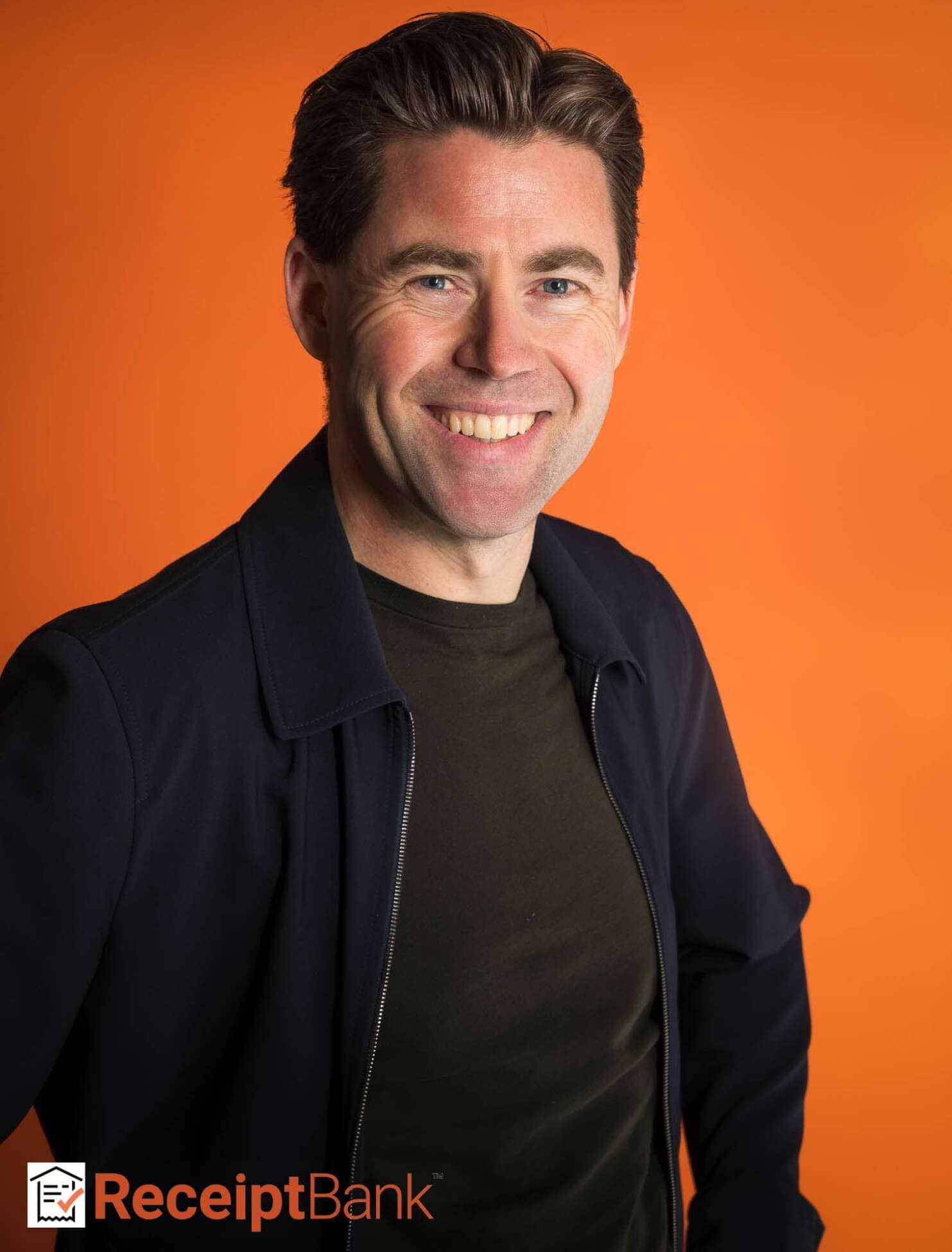
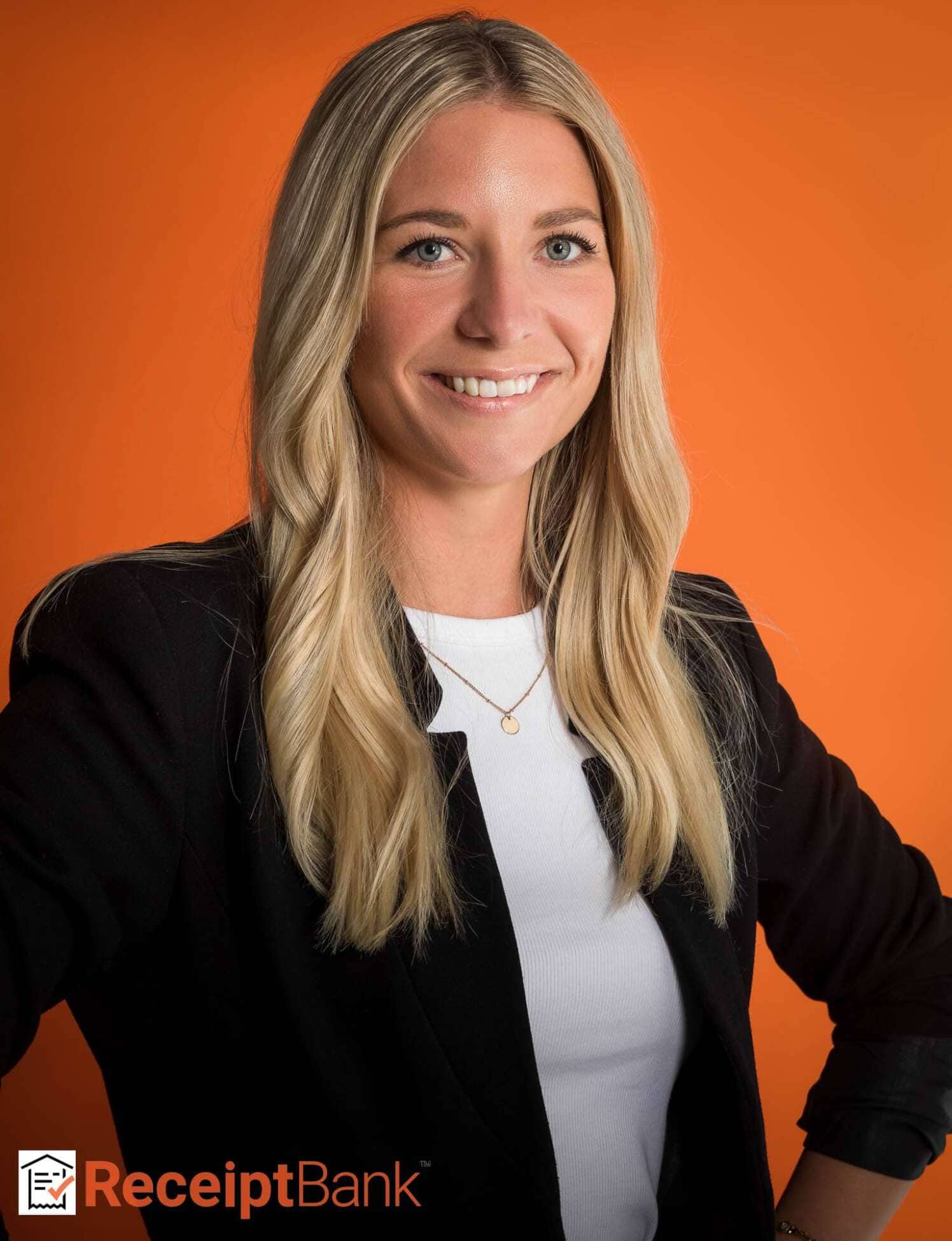

Planning a Corporate Headshot Programme
For businesses across Somerset — whether you’re based in Taunton, Yeovil, Bridgwater, Frome or anywhere else in the county — the starting point is a conversation about scale and logistics before anyone picks up a camera.
How many people? Across how many locations? What’s the likely growth rate — how many new starters are you expecting over the next twelve months? What’s the existing photography situation — are you starting from scratch or trying to bring a chaotic existing set of images up to a consistent standard?
From there, we plan the session structure: how many visits, how long per person (typically ten to fifteen minutes for a straightforward headshot), how to handle the inevitable no-shows and late additions, and what the ongoing refresh process looks like.
The goal is a headshot programme that you barely have to think about — new starter joins, we schedule a slot, they’re photographed to exactly the same standard as everyone else, the image drops into your team page and it looks like it was always there.
For more on my approach to professional headshots across the county, take a look at my corporate headshots Somerset page.
Phone: 07850534084 Email: [email protected] Website: simonplant.co.uk

Leave a Reply